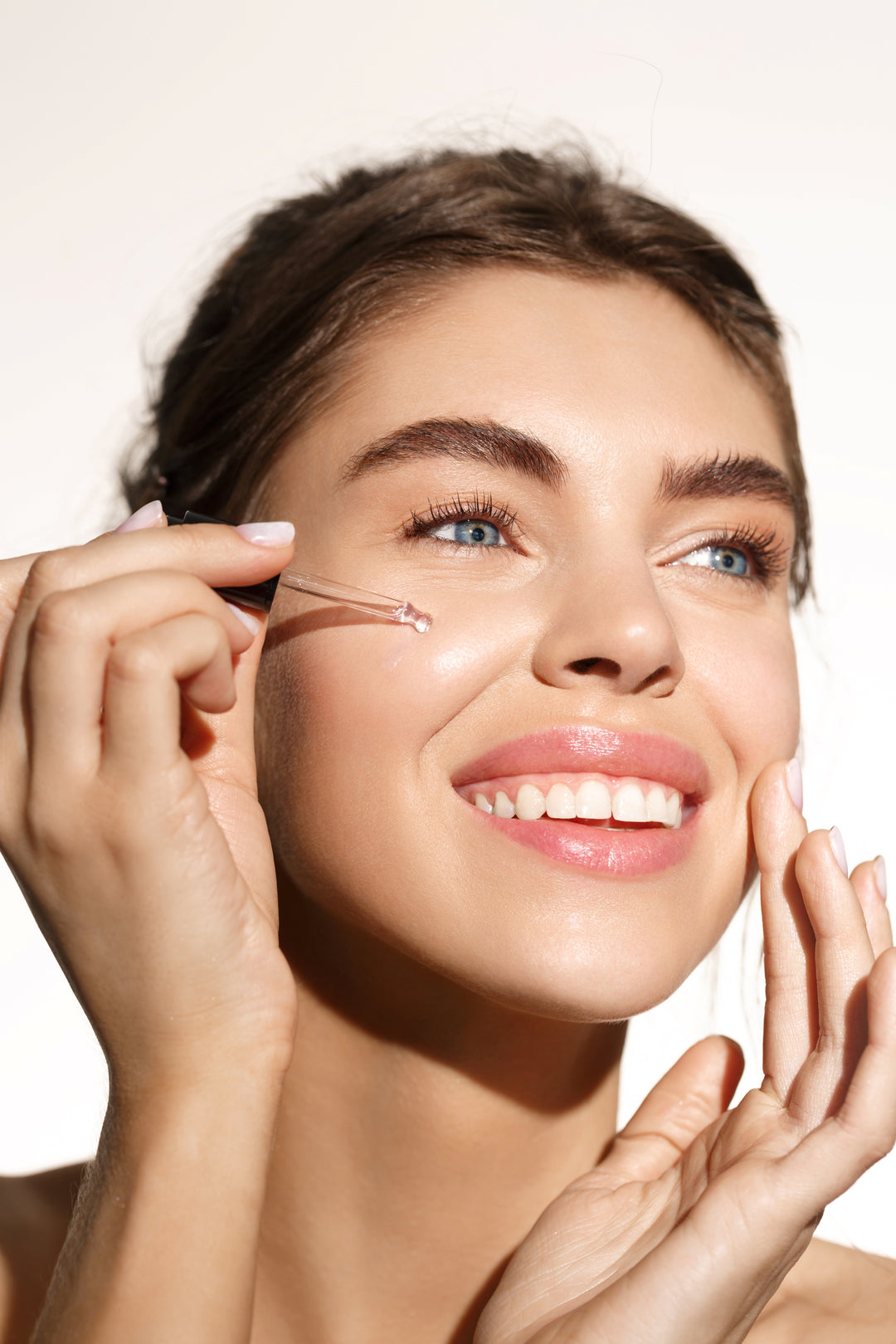
Si votre front brille à l’heure du déjeuner mais que vos joues tirent après le nettoyage, notez ces deux observations. Ce schéma peut indiquer une peau mixte. Une seule étiquette comme « grasse » peut vous conduire à choisir un nettoyant pour votre front, puis à l’appliquer sur des joues déjà inconfortables.
Que fait votre peau au quotidien ?
Think about several typical days with your usual gentle routine. Pay attention to where you see shine, where you feel roughness and whether a particular product stings. One afternoon after a long flight or a windy walk is a poor guide to what your skin usually needs. Dermatologists describe dryness, oiliness and sensitivity through these visible or felt patterns. American Academy of Dermatology guide to skin types
| What you notice repeatedly | What to try at the shelf |
|---|---|
| Cheeks and forehead often feel rough, flaky or tight | Look for a fragrance-free cream. Glycerin or hyaluronic acid attracts water, while a richer cream can help keep moisture in. |
| Much of the face becomes shiny or greasy | Try a light moisturiser labelled non-comedogenic. Choose a texture you can wear comfortably through the day. |
| Forehead, nose and chin are oily while cheeks feel dry | Start with a light layer across the face and a little more cream on the dry areas. The cheeks may need a different texture. |
| Products often sting or burn | Look at fragrance as well as the headline ingredient. A simple fragrance-free product makes it easier to work out what suits you. |
A cream can contain the same headline ingredient as a gel and still feel quite different. If winter leaves your cheeks flaky, switching the texture of the moisturiser you already use may be an easier first experiment than adding another serum. Dermatologists’ guidance for dry skin · German guide to combination skin
Quel ingrédient mérite un examen plus attentif ?
Hyaluronic acid is a useful starting point if you want a moisture-attracting ingredient in a light texture. Ceramides are worth exploring if your question is how a moisturiser supports the skin barrier. Read the complete product description alongside the ingredient name, including whether it contains fragrance and whether it is a rinse-off or leave-on product. Hyaluronic acid guide · Ceramides and the skin barrier
- Advanced Ceramide Lift and Firm Day Cream
- Balance Repairing Night Cream Rosâge
- Nutratopic PRO-AMP Crema Emoliente Facial Face Moisturiser
- Soothing Thermal Water Hydrating Fluid
- Arkéskin The Menopause Day Cream
- Anti-Age Hyaluron-Filler + 3x Effect Ultra Light Moisture Booster Night Face Moisturiser
- Eternalist A.G.E Day Cream
- Age Reverse Day Cream
- Advanced Ceramide Lift and Firm Night Cream
- Acnestil Matt Face Moisturiser
- Nutri-Recovery Night Cream
- Isorepair Cream Face Moisturiser
Quelle est la place du tonique ?
A toner is optional. Decide first what you want it to do and whether your cleanser and moisturiser already leave your skin comfortable. If you do add one, keep the rest of your routine familiar so you can judge it on its own. Persistent burning, itching or cracking deserves advice from a dermatologist. What facial toner does and how to choose one